

 Myopia management
 Dry Eye Treatment

How Optometrists Use Visual Field Testing to Monitor Disease Progression
Blog:How Optometrists Use Visual Field Testing to Monitor Disease Progression
How Optometrists Use Visual Field Testing to Monitor Disease Progression
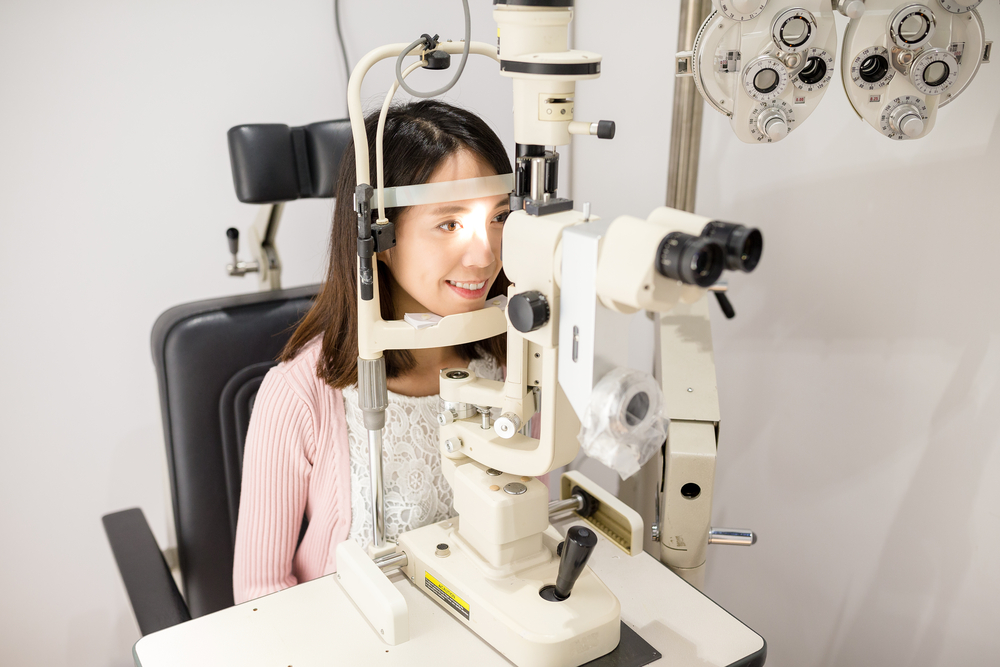
Visual field testing helps us evaluate how well you see in every direction, not just straight ahead. While a standard vision test checks clarity, a visual field test measures your central and peripheral vision. This gives our optometrists a clearer view of how your eyes and visual pathways are functioning.
At Texas State Optical in Sugar Land, we use visual field testing to help detect and monitor changes that may not be obvious during daily life. Many patients do not notice peripheral vision loss right away, which is why this test can be so valuable.
Why Peripheral Vision Matters
Peripheral vision plays an important role in safe movement, driving, reading, balance, and overall awareness. When vision loss begins at the edges of your sight, it can progress slowly before affecting your central vision.
Visual field testing allows us to identify patterns of vision loss and compare results over time. These patterns can help us understand whether a condition is stable, improving, or progressing.
Conditions Visual Field Testing Can Help Monitor
Visual field testing is often used for patients who have or may be at risk for eye disease. It can support diagnosis and ongoing care for conditions such as:
- Glaucoma
- Diabetic eye disease
- Macular degeneration
- Optic nerve disorders
- Neurological conditions that affect vision
- Unexplained vision changes or blind spots
Because some of these conditions can develop gradually, regular testing gives us a better way to track subtle changes before they become more noticeable.
How It Helps With Glaucoma Care
Glaucoma is one of the most common reasons we perform visual field testing. This disease can damage the optic nerve and often affects side vision first. Since early glaucoma may not cause pain or obvious symptoms, testing is essential for monitoring progression.
By comparing your visual field results from visit to visit, we can look for changes in sensitivity, blind spots, or areas of reduced vision. These details help us determine whether your current treatment plan is helping protect your vision or if adjustments may be needed.
Tracking Changes Over Time
One visual field test provides useful information, but repeated testing is even more powerful. Disease progression is often measured by comparing current results with previous results. This helps us see whether vision loss is occurring quickly, slowly, or not at all.
We may recommend visual field testing more often for patients with glaucoma, diabetes, optic nerve concerns, or a family history of eye disease. The goal is to catch meaningful changes early and make informed decisions about your care.
What To Expect During The Test
Visual field testing is noninvasive and does not hurt. During the test, you will focus on a central point while small lights appear in different areas of your vision. Each time you see a light, you press a button. The results create a map of your visual field.
Our team explains the process clearly so you know what to expect. If your results show an area that needs closer attention, we will walk you through the findings and discuss the next steps.
Protecting Your Long-Term Vision
Visual field testing is an important part of proactive eye care, especially when monitoring disease progression. At Texas State Optical, we use this technology to help patients in Sugar Land understand their eye health and receive care that is based on detailed, measurable information.
To schedule visual field testing or an eye exam, contact Texas State Optical in Sugar Land, TX by calling (281) 238-5668.
Quick Links
Helpful Articles
article_category: products
article_category: psychiatry
article_category: faqs
article_category: cats
article_category: general
article_category: services
article_category: technology
article_category: dogs
article_category: restorative
article_category: vision therapy
article_category: contact lenses
article_category: health
article_category: conditions
article_category: eye surgery co-management
article_category: exotic
article_category: cosmetic
article_category: surgical procedures
article_category: aesthetics
article_category: preventative
article_category: ocular disease management
article_category: eyeglasses
article_category: eye health
article_category: large animal
[]
article_category: psychiatry
article_category: faqs
article_category: cats
article_category: general
article_category: services
article_category: technology
article_category: dogs
article_category: restorative
article_category: vision therapy
article_category: contact lenses
article_category: health
article_category: conditions
article_category: eye surgery co-management
article_category: exotic
article_category: cosmetic
article_category: surgical procedures
article_category: aesthetics
article_category: preventative
article_category: ocular disease management
article_category: eyeglasses
article_category: eye health
article_category: large animal
[]
Flowbite is an open-source library of interactive components built on top of Tailwind CSS including buttons, dropdowns, modals, navbars, and more.
Check out this guide to learn how to get started and start developing websites even faster with components on top of Tailwind CSS.

All Eyecare Services
We offer a wide variety of eye care services to the Sugar Land community. Contact us with any questions about our services.

Keep In Touch
For non-urgent questions or to learn more about our services, contact us today!

Contact Information
Office Hours
- Monday 9:00 AM - 6:00 PM
- Tuesday 10:00 AM - 6:00 PM
- Wednesday Closed
- Thursday 10:00 AM - 6:00 PM
- Friday 9:00 AM - 5:00 PM
- Saturday 9:00 AM - 1:00 PM
- Sunday Closed
- Closed for lunch daily: 1pm to 2:15pm
- Monday 9:00am - 6:00pm
- Tuesday 9:00am - 6:00pm
- Wednesday 9:00am - 6:00pm
- Thursday 9:00am - 6:00pm
- Friday 9:00am - 6:00pm
- Saturday 10:00am - 2:00pm
- Sunday Closed
- Monday 8:00am - 5:00pm
- Tuesday
- Wednesday
- Thursday
- Friday
- Saturday
- Sunday
© 2026 Texas State Optical. All rights Reserved - Accessibility Statement - Privacy Policy - Sitemap
Managed and Designed by 