

 Myopia management
 Dry Eye Treatment

Diabetic Eye Exams: Why Clear Vision Doesn’t Tell the Whole Story
Blog:Diabetic Eye Exams: Why Clear Vision Doesn’t Tell the Whole Story
Diabetic Eye Exams: Why Clear Vision Doesn’t Tell the Whole Story
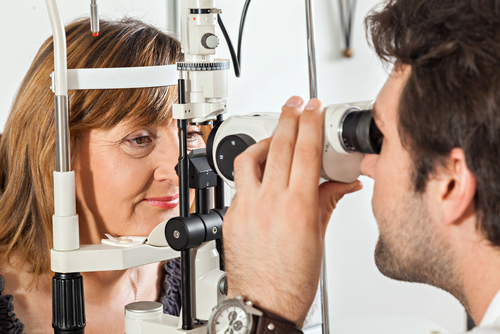
You can read the 20/20 line on an eye chart and still have early diabetic retinopathy. The chart tells us how sharply you see straight ahead. During a diabetic eye exam at our Sugar Land office, we can also see whether diabetes has damaged the tiny blood vessels at the back of your eyes, even when your glasses still work just fine.
How Diabetes Can Affect the Retina
The retina is the light-sensitive tissue that lines the back of your eye. Over time, high blood sugar can weaken the vessels that supply it. A tiny spot of bleeding away from the center of the retina may show up during an exam while the words on this page still look sharp.
Location matters. If fluid leaks into the macula, the part of the retina you use to read and recognize faces, the swelling can blur or distort fine details. We call this diabetic macular edema. Finding swelling early helps us decide when you need a retinal specialist.
What We Look for During Your Exam
We use eye drops to widen your pupils so we can examine more of the retina in each eye. Depending on what we see, we may recommend imaging to answer a specific question.
During the dilated exam, we look for small areas of bleeding, leaking vessels, or fragile new blood vessels.
Retinal photographs give us a record we can compare at your next visit to see whether an area has changed.
If we suspect swelling, an optical coherence tomography (OCT) scan lets us see the layers of the macula and check for trapped fluid.
When to Schedule a Diabetic Eye Exam
If you’ve just been diagnosed with type 2 diabetes, schedule a dilated eye exam now. For adults with type 1 diabetes, the first screening is generally recommended five years after diagnosis. After that, many people come in yearly. We’ll recommend a follow-up interval based on your retinal health and blood sugar history.
If you suddenly see a shower of new floaters, flashes of light, or a dark curtain across your vision, seek emergency eye care right away.
If you’re due for a diabetic eye exam or can’t recall your last dilated exam, call Texas State Optical in Sugar Land, TX, at (281) 238-5668 to schedule your visit.
Quick Links
Helpful Articles
article_category: restorative
article_category: vision therapy
article_category: contact lenses
article_category: health
article_category: conditions
article_category: eye surgery co-management
article_category: exotic
article_category: cosmetic
article_category: products
article_category: psychiatry
article_category: faqs
article_category: cats
article_category: general
article_category: services
article_category: technology
article_category: dogs
article_category: surgical procedures
article_category: aesthetics
article_category: preventative
article_category: ocular disease management
article_category: eyeglasses
article_category: eye health
article_category: large animal
[]
Flowbite is an open-source library of interactive components built on top of Tailwind CSS including buttons, dropdowns, modals, navbars, and more.
Check out this guide to learn how to get started and start developing websites even faster with components on top of Tailwind CSS.

All Eyecare Services
We offer a wide variety of eye care services to the Sugar Land community. Contact us with any questions about our services.

Keep In Touch
For non-urgent questions or to learn more about our services, contact us today!

Contact Information
Office Hours
- Monday 9:00 AM - 6:00 PM
- Tuesday 10:00 AM - 6:00 PM
- Wednesday Closed
- Thursday 10:00 AM - 6:00 PM
- Friday 9:00 AM - 5:00 PM
- Saturday 9:00 AM - 1:00 PM
- Sunday Closed
- Closed for lunch daily: 1pm to 2:15pm
- Monday 9:00am - 6:00pm
- Tuesday 9:00am - 6:00pm
- Wednesday 9:00am - 6:00pm
- Thursday 9:00am - 6:00pm
- Friday 9:00am - 6:00pm
- Saturday 10:00am - 2:00pm
- Sunday Closed
- Monday 8:00am - 5:00pm
- Tuesday
- Wednesday
- Thursday
- Friday
- Saturday
- Sunday
© 2026 Texas State Optical. All rights Reserved - Accessibility Statement - Privacy Policy - Sitemap
Managed and Designed by 